
Multi-brand gift vouchers have transformed the global corporate incentive and consumer gifting markets. Traditional single-brand gift cards restrict recipients to one store, increasing the risk of unredeemed funds sitting permanently on a company’s balance sheet. To solve this problem, multi-brand gift platforms provide a single token that can be exchanged across hundreds of retail, dining, and leisure brands.
Among the leading options in the United Kingdom is The Lifestyle Gift Card, managed by Motivates Inc. This guide details how the card operates, its brand networks, hidden fees, security protocols, and financial mechanics.
Defining the Lifestyle Gift Card Ecosystem
The lifestyle gift card is an open-to-closed-loop hybrid digital voucher system managed by Motivates Inc., a major corporate incentives provider in the UK. Unlike traditional gift cards, it functions as a digital ledger asset or “master token.”
The master token holds no monetary value at a standard retail cash register. Instead, it serves as a capital that must be cleared through an online portal. Recipients trade the card’s base value for a specific e-gift voucher dedicated to their chosen retail merchant before completing a purchase.
The platform processes thousands of transactions daily across corporate employee benefit structures and retail spaces. It handles bulk business-to-business (B2B) corporate rewards and direct consumer transactions.
Market Position and Structural Architecture
The platform competes with giants like Blackhawk Network’s Choice cards, One4all, and Love2shop. It addresses the corporate demand for flexible rewards while striving to keep users within its digital ecosystem.
The underlying software architecture relies on secure Application Programming Interfaces (APIs) connected to merchant gift card processors like closed-loop gift card engines. When a user converts value, the platform issues an API call to buy a digital e-gift card from the chosen retailer, assigning a new barcode to the user’s account.
This technical framework allows the company to rapidly scale its brand network without needing to manage physical inventory for every individual high-street retailer on its panel.
Core Categories and Brand Allocations
To target specific consumer profiles, the cards are split into specialized themes. Each card features distinct brand inclusions and restrictions.
Lifestyle Ultimate
The Ultimate variant provides access to the complete portfolio of over 300 partner brands. It covers all retail verticals, including department stores, supermarkets, digital entertainment, and travel providers like John Lewis, ASOS, Ticketmaster, and Virgin Experiences.
Lifestyle Eat
This variant consolidates food, drink, and hospitality brands. It targets the casual dining and home delivery markets, including chains like Pizza Express, Nando’s, Wagamama, Greggs, Starbucks, and delivery apps like Just Eat.
Lifestyle Home
The Home variant focuses on home improvement, gardening, domestic utilities, and interior design. It links with specialized retailers such as B&Q, Currys, Argos, Dunelm, Ikea, and Wayfair, accommodating larger household purchases.
Lifestyle Fashion & Beauty
Designed for apparel, cosmetics, and lifestyle treatments, this card covers high-street fashion, athleisure, and beauty outlets. Participating brands include Boots, Superdrug, TK Maxx, Selfridges, Foot Locker, and Boohoo.
The Complete Redemption Protocol
Because the baseline card cannot be read by an in-store scanner, users must convert their funds online. This step-by-step framework outlines how to claim rewards securely.

Phase 1: Portal Entry and Profile Creation
Users visit the official web portal (lifestylegiftcards.co.uk) and set up a profile with a verified email address to track balance history and secure digital codes.
Phase 2: Serial Validation and Pin Entry
Users enter the unique 16-digit card number and the secure scratch-off PIN. The system checks the database to verify the balance and flag any security holds.
Phase 3: Brand Allocation and Splitting Balance
Users select their merchant and choose how much balance to assign. The portal generates a distinct digital barcode or e-gift code for that retailer, leaving any remaining change in the user’s digital wallet.
Security Measures and Activation Delays
The platform uses specific digital security protocols to prevent automated fraud, gift card skimming, and unauthorized balance draining.
The 48-Hour Point-of-Sale Freeze
Cards purchased at physical retail stands are subject to an anti-fraud processing hold. The card remains inactive for up to 48 hours while the merchant clears the payment transaction with Motivates Inc.
Multi-Factor Authentication Requirements
When users register an account or request a high-value merchant swap, the platform requires multi-factor authentication (MFA). A dynamic verification code is sent via SMS or registered email to prevent account takeovers.
Financial Restrictions and Expiry Policies
The platform is governed by strict financial rules that manage liability and dictate how long funds remain available.
The 18-Month Expiration Rule
Unlike standard UK high-street vouchers that often offer a 24-to-60-month window, these vouchers carry a strict 18-month expiration date from the initial purchase. Once passed, any remaining balance is deleted and cannot be recovered.
The Leftover Micro-Balance Restraint
Because retail bills rarely hit a perfectly round number, users often end up with micro-balances under £5. Since the exchange portal uses fixed increments (£5, £10, £20), balances under £5 can become trapped until more funds are added.
Single-Transaction Coupon Blocks
When users split a large voucher into several small codes for one retailer, they can run into merchant checkout caps. Many online retailers accept only one promotional gift code per transaction, meaning users cannot use multiple partial codes on a single purchase.
The Intermediary Travel and Leisure Booking Trap
Using these vouchers for specialized travel, holiday, or hospitality packages introduces operational constraints that are absent from traditional retail swaps.
Third-Party Travel Agency Intermediaries
When exchanging value for travel packages, users cannot book directly with primary carriers like Jet2 or British Airways. Instead, they must route bookings through an exclusive third-party agency, such as Travel Inspire.
These intermediary portals often feature distinct pricing models, separate booking rules, and additional service fees. This can make the final holiday package more expensive than booking directly with the airline, reducing the value of the original gift.
Point-of-Sale Technical Bottlenecks
Moving from a digital voucher to a brick-and-mortar cash register can introduce technical challenges at checkout.
Concrete In-Store Signal Failures
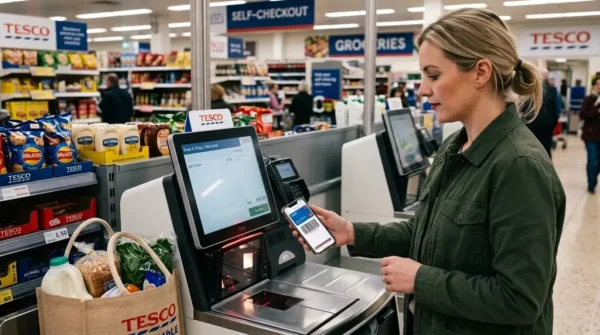
Many large supermarkets and department stores are housed in thick concrete and steel buildings that disrupt mobile cellular data networks. If a shopper waits until checkout to convert their voucher, they may face signal loss that blocks the portal or prevents them from receiving MFA codes.
Legacy Barcode Scanner Incompatibilities
Older high-street point-of-sale laser scanners struggle to read digital barcodes directly from reflective smartphone screens. In these instances, cashiers must enter long serial strings manually, causing transaction delays and checkout queues.
Comprehensive Comparison of Major UK Voucher Networks
This matrix compares the leading multi-brand gift card options in the UK across key operational metrics.
| Performance Characteristic | Lifestyle Gift Cards (Motivates) | One4all Gift Cards (Blackhawk) | Love2shop Vouchers (Park Group) |
| Financial Network | Intermediary Closed Portal | Open-Loop Visa Network | Multi-Store Closed Retail Network |
| Direct Till Spending | No (Requires Digital Swap) | Yes (Swiped as Debit Card) | Yes (Physical Paper or e-Voucher) |
| Expiry Terms | Strict 18-Month Limit | Valid for 18 Months (Fees Apply After) | Varies (Typically 24 to 36 Months) |
| Incremental Splitting | Yes (Via Digital Wallet) | Yes (Up to Visa Transaction Caps) | No (Requires Exact Value Spending) |
| Online Account Needed | Mandatory for All Exchanges | Optional for Physical Cards | Mandatory for Digital Formats |
Operational Guidelines for Corporate Procurement Teams
Human resource managers and corporate procurement teams must weigh the administrative convenience of bulk ordering against the end-user experience of their workforce.

Managing Capital Breakage Rates
Breakage refers to the percentage of gift card value that goes unspent and expires. The platform’s 18-month deadline and online requirements can lead to higher breakage rates among less tech-savvy workers, which can reduce the effectiveness of employee reward programs.
Aligning Rewards with Workforce Demographics
If a workforce has low digital literacy, a multi-step online exchange portal may cause frustration rather than boost morale. Companies should evaluate their employees’ tech adoption rates before choosing digital voucher systems.
Practical Troubleshooting Framework for Voucher Recipients
This checklist provides practical workarounds for the most common technical errors encountered on the platform.
Issue 1: Portal Returns an “Invalid Card Serial” Response
- The Root Cause: The retail merchant’s point-of-sale system has not uploaded the activation confirmation token to Motivates Inc.
- The Action: Wait for the 48-hour security window to clear. If the error continues, email enquiries@lifestylegiftcards.co.uk with your receipt.
Issue 2: Retailer Scanner Rejects the Converted Code
- The Root Cause: A communication delay between the platform API and the target merchant’s active gift card database.
- The Action: Request that the cashier enter the numeric code manually. If it fails, ask the manager to verify the store’s current e-gift engine status.
Issue 3: Leftover Funds Fall Below Redemption Limits
- The Root Cause: The account balance is under the minimum £5 extraction increment.
- The Action: Exchange the small balance for a supermarket barcode (e.g., Morrisons) and scan it at self-checkout alongside your main payment method to drain the balance.
Future Trends in the Multi-Store Gift Market
The multi-brand gift market is moving away from standalone conversion portals and shifting toward integrated fintech micro-apps and open-banking networks.
Future setups will likely emphasize real-time ledger settlement, allowing users to choose retail partners inside digital banking apps instantly. Platforms that reduce sign-up friction and eliminate short expiry dates will be better positioned to retain corporate market share.
Disclaimer: This corporate guide is provided by XXBritsh for informational purposes regarding digital gift card ecosystems…”
FAQs
Can I spend my lifestyle voucher immediately inside physical retail stores?
No, you cannot use the voucher directly at a store checkout counter. You must log into the redemption portal, register a user profile, enter your codes, and trade the value for an official e-gift card for your chosen retailer.
Why does my newly converted retail e-card show an “insufficient funds” error?
This error typically happens due to a technical synchronization delay between the primary platform database and the final merchant’s network. You should take a screenshot of the error message and contact customer support to request a manual card status update.
What is the fastest way to check the exact expiry date of my voucher?
Log into the official digital portal and look at your profile’s active wallet section. Do not rely on physical packaging or broad email text, as the 18-month deadline applies from the exact date of corporate purchase.
What should I do if I accidentally damage or tear my printed activation codes?
If you tear or scratch off the alphanumeric codes on a physical card, do not try to guess the missing characters. Email customer support with high-resolution photos of the damaged voucher and your official corporate proof of issuance to get a replacement code.
Can I combine multiple small leftover balances into a single merchant voucher?
The online portal prevents users from combining separate micro-balances that fall below the strict £5 threshold limit. To bypass this, convert each small balance into individual supermarket barcodes and scan them sequentially at an automated self-checkout machine.