
Traveling solo as a woman in the U.S. can be rewarding, but choosing the right destination makes a huge difference. The best places are not simply the ones considered safe; they are destinations where you can get around easily, find comfortable places to stay, enjoy activities alone, and feel confident navigating the area without depending on someone else.
Based on what I have learned from researching and experiencing solo travel, I’ve selected eight U.S. destinations that make independent travel easier and more enjoyable. Some are ideal for first-time solo travelers, while others suit women looking for beaches, culture, nature, food, or adventure. I’ve considered transportation, location, activities, practical safety, cost, and ideal trip length.
Best Places for Solo Female Travel
There is no single best U.S. destination for every solo female traveler. The right choice depends on how comfortable you are navigating a new place, whether you want to drive, what you want to do, and how much time you have. Here is a quick comparison of the eight destinations covered in this guide:
| Destination | Best For | Getting Around | Car Needed? | Ideal Stay |
| New York City | First trip & culture | Excellent | No | 3–5 days |
| San Francisco | City + nature | Excellent | No | 3–4 days |
| Santa Fe | Art & culture | Easy | Not usually | 2–3 days |
| San Diego | Beaches | Moderate | Helpful | 3–4 days |
| Chicago | Food & museums | Excellent | No | 3–4 days |
| Washington, DC | History & budget | Excellent | No | 2–3 days |
| Honolulu | Beach & adventure | Good | No for core Oahu | 4–6 days |
| Savannah | Slow travel & history | Easy in core | No | 2–3 days |
8 Best Places for Solo Female Travel in the U.S
These destinations cover different solo travel styles, with practical transportation, independent activities, convenient places to stay, and trip-planning details for each location.
1. New York City, New York
Best for: First-time solo travelerfs, culture and food
New York is one of the easiest U.S. cities to explore alone because you can spend several days visiting museums, neighborhoods, parks, restaurants and shows without needing a car. The subway and walking cover most major attractions, while areas such as Midtown, Chelsea and the Upper West Side offer convenient bases for first-time visitors. Solo travelers can explore Central Park, the Met, the High Line and Broadway at their own pace. As with any major city, stay aware of your surroundings, particularly at night. Plan for 4–5 days if you want to experience the city without rushing.
2. San Francisco, California
Best for: City sightseeing, nature and food
San Francisco is a strong solo choice if you want a mix of city experiences and nature without planning a full road trip. Muni, BART and walking make many attractions accessible without a car, while rideshare or organized tours can cover places farther away. You can walk the Golden Gate Bridge, visit Alcatraz, explore Golden Gate Park and spend time around the waterfront. Union Square, Nob Hill and North Beach are practical areas to stay, although neighborhood choice matters at night. Allow 3–4 days for a comfortable first visit, and bring good walking shoes for the hills.
3. Santa Fe, New Mexico
Best for: Art, culture and slower travel
Santa Fe suits solo travelers who prefer a smaller, slower-paced destination rather than a packed big-city itinerary. Its historic center is easy to explore on foot, with galleries, museums, distinctive architecture and New Mexican restaurants close together. The Plaza, Canyon Road and Georgia O’Keeffe Museum are easy additions to a solo itinerary, while a car or rideshare helps if you want to explore beyond downtown. Staying around the Plaza keeps most attractions within easy reach. Two to three days is enough for a relaxed visit, but remember that Santa Fe’s high elevation can take some adjustment.
4. San Diego, California
Best for: Beaches, outdoor activities and a relaxed trip
San Diego is ideal if your idea of solo travel involves beaches, good weather and plenty of outdoor options without a tightly packed schedule. You can spend time at La Jolla, explore Balboa Park, walk the waterfront or join an organized activity without needing a companion. Central areas are manageable without a car, although one can be useful for exploring farther beaches and neighborhoods. La Jolla, Little Italy and the Gaslamp Quarter offer different bases depending on whether you prioritize beaches, food or nightlife. Plan for 3–4 days and choose your location around the type of trip you want.
5. Chicago, Illinois
Best for: Big-city experiences, museums and food
Chicago gives solo travelers the energy of a major U.S. city while making it relatively easy to get around without a car. The CTA, walking and occasional rideshare can cover most central attractions, including the Art Institute, Millennium Park and the lakefront. An architecture river cruise is also an easy solo activity, while Chicago’s restaurants give you plenty of options when dining alone. The Loop, River North and Streeterville are convenient areas for a first visit. Three to four days is enough to experience the main attractions without making the itinerary exhausting.
6. Washington, DC
Best for: Museums, history and free attractions
Washington, DC is particularly appealing for solo travelers who enjoy museums and history because many major attractions are free and concentrated around the National Mall. The Metro and walking make it easy to move between the Smithsonian museums, monuments and other central sights without a car. You can also explore Georgetown or spend an afternoon visiting museums at your own pace. Downtown, Penn Quarter and Dupont Circle are convenient areas to stay. Three days is a good starting point, although museum hours and timed-entry requirements should be checked before you go.
7. Honolulu, Hawaii
Best for: Beaches, nature and organized activities
Honolulu makes a tropical solo trip relatively straightforward because Waikiki combines accommodation, restaurants, beaches and activities in one area. TheBus, rideshare and organized tours can take care of most transportation, so you do not necessarily need to rent a car. Solo travelers can visit Pearl Harbor, hike Diamond Head, relax at Waikiki Beach or join snorkeling and cultural tours where meeting other people comes naturally. Waikiki is the easiest base for a first visit. Four to five days gives you enough time to combine sightseeing with genuine downtime.
8. Savannah, Georgia
Best for: History, walkability and slower travel
Savannah is a good fit for solo travelers who want a quieter, more intimate city experience. The Historic District is highly walkable, with its famous squares, Forsyth Park, restaurants, shops and historic buildings close together, so a car is unnecessary for a short stay. A guided food or history tour can also make exploring alone more social. Staying within the Historic District keeps you close to the main attractions, while rideshare is a sensible option at night if you do not want to walk alone. Two to three days is enough to enjoy Savannah without rushing.
Which U.S. Destination Is Best for Your Type of Solo Trip?
If you’re not sure which destination fits you best, start with the kind of trip you actually want rather than choosing a city simply because it is popular. From my experience, solo travel feels much easier when the destination matches your interests, confidence level, and preferred pace. Use this quick comparison to narrow down your choice before reading the individual destination guides below.
| If you want… | Choose… |
| First solo trip | New York City |
| Beach vacation | San Diego |
| Tropical getaway | Honolulu |
| Art & culture | Santa Fe |
| Museums & history | Washington, DC |
| Food & architecture | Chicago |
| Nature + city | San Francisco |
| Slow, charming trip | Savannah |
How to Choose Your First Solo Trip in the U.S.
Your first solo trip should make you feel capable, not constantly responsible for solving problems. I would not choose a destination simply because it appears on a “safest cities” list. Instead, think about how many decisions you’ll have to make once you arrive: finding your hotel, getting around, choosing somewhere to eat, getting back after an evening out, and dealing with a change of plans. The easier those basics are, the more energy you have left to actually enjoy being on your own.
Match Your Confidence
Be honest about what feels manageable. If navigating unfamiliar transit, driving long distances, or arriving somewhere late already makes you nervous, don’t make all three part of your first trip. A compact city with reliable transportation and plenty to do independently is usually a better starting point than an ambitious road trip or remote destination. You can always increase the complexity once you know how you handle solo travel.
Keep It Short
I generally recommend keeping the first trip short enough that you can see how solo travel actually feels before committing to a longer vacation. Two to four days is enough to settle into a destination, eat a few meals alone, navigate public transportation, and spend an evening by yourself without feeling like you have to fill an entire week. If you discover that you love the freedom, your next trip can be longer.
Stay Central
This is one area where I would spend a little more rather than automatically choosing the cheapest room. A convenient location can save you time during the day and give you easier options when you want to return to your accommodation. Before booking, I look at the actual streets around the property, nearby transportation, restaurants, and the route I would take back in the evening not just the hotel’s star rating or how close it appears to a landmark.
Leave Room
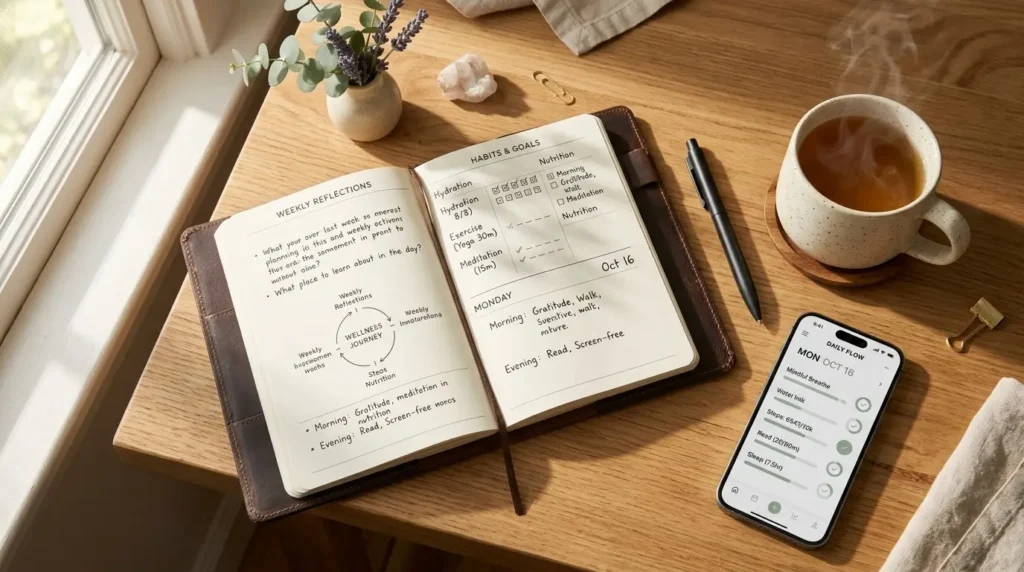
There is a difference between being prepared and scheduling every minute. I like having the important pieces decided: where I’m staying, how I’ll arrive, a few things I genuinely want to see, and how I’ll get back at night, while leaving space for the unexpected. Solo travel gives you the freedom to change your mind, so you should be able to follow an interesting discovery instead of rushing to the next item on a checklist. Maintaining simple routines while traveling can also help you enjoy the trip without feeling overwhelmed, much like the healthy and productive daily habits you follow at home.
Plan Transportation
The first journey is the one I would plan most carefully. Know how you’ll get from the airport, train station, or bus terminal to your accommodation before you arrive, and have a backup option saved on your phone. I also check the main transportation routes I’ll use during the trip and save anything important offline. This small amount of preparation can remove a surprising amount of stress, particularly when arriving somewhere unfamiliar after dark.
Most importantly, I focused on practical details I would want to know before taking a solo trip myself. Explore more practical lifestyle and travel guides for ideas that can help you plan your next trip and make everyday life easier.
Common Mistakes Women Make on Their First Solo Trip
The mistakes I see most often are not dramatic ones; they are small planning decisions that make an otherwise good trip unnecessarily difficult. A beautiful destination can still be inconvenient without a good base, and a popular city does not automatically mean it will be easy to navigate alone. Before booking your first trip, these are the mistakes I would actively avoid:
- Choosing looks over practicality: A destination may look incredible in photos but still require long drives, complicated transfers, or staying far from the places you want to visit. For a first solo trip, convenience matters just as much as scenery.
- Staying too far from the action: Saving money on a distant hotel can mean spending more time and money on transportation. Check the neighborhood, nearby transit, restaurants, and your likely route back before booking.
- Renting a car unnecessarily: A rental car gives you flexibility, but it can also add parking costs, unfamiliar roads, and extra decisions. If a city has good public transportation or walkable areas, you may have an easier trip without one.
- Packing every day with activities: A packed itinerary leaves little room for delays, tiredness, or simply enjoying a place at your own pace. Using tools for organizing your routine can help you keep track of plans without turning your entire trip into a rigid schedule.
- Ignoring your arrival time: Arriving late at night in an unfamiliar destination can make the first few hours much harder. I prefer knowing exactly how I’ll get to my accommodation before the trip begins.
- Starting with remote activities: A secluded trail or isolated attraction may be enjoyable once you’re comfortable traveling alone, but it is not necessarily the best first solo activity. Start with places where help, transportation, and other people are reasonably accessible.
- Planning the day but not the return: It is easy to research how to reach a restaurant, attraction, or event and forget about getting back afterward. Always consider your return transportation, particularly after an evening activity.
- Assuming popularity means convenience: A destination can be famous and still be awkward for solo travel. Look at the experience, transportation, accommodation options, distances, and how easily you can structure your days, rather than choosing a place simply because everyone visits it.
Summary
The best solo destination is the one that fits the way you actually want to travel. If this is your first trip, New York City, San Francisco, Chicago, and Washington, DC offer strong options for exploring without a car, while San Diego and Honolulu make more sense for beach-focused trips. For a slower cultural experience, Santa Fe and Savannah are easier choices. Whichever you choose, prioritize a convenient location, realistic itinerary, and transportation plan over simply picking the most popular destination.
FAQs
What is the best place in the US for a first solo female trip?
New York City is a strong choice for first-time solo travelers because you can explore without a car, find plenty of things to do alone, and choose from many centrally located neighborhoods.
What is the safest place for a woman to travel alone in the US?
There is no single “safest” U.S. destination for every traveler. Neighborhood, time of day, transportation, and personal awareness all matter, so research the specific areas you plan to visit.
Where should I travel alone as a woman for the first time?
Start with a destination that is easy to navigate and offers plenty to do independently. New York City, Washington, DC, Chicago, and San Francisco are good starting points.
What US cities are easiest to visit without a car?
New York City, Washington, DC, Chicago, and San Francisco are among the easiest choices. Their public transportation and walkable areas make car-free sightseeing practical.
What is the best affordable destination for solo female travel?
Washington, DC can be an excellent value, particularly because many major museums and attractions are free. Savannah can also work well for a shorter, slower trip.
Where can I travel alone in the US for a weekend?
Washington, DC, New York City, Chicago, Savannah, and San Francisco all work well for a short solo getaway. Choose based on whether you prefer history, food, culture, or a slower pace.
Is it safe for a woman to travel alone in the US?
Yes, solo female travel is common in the U.S., but safety varies by location and circumstances. Research your neighborhood, plan transportation in advance, and use normal situational awareness.
How many days are enough for a solo trip in the US?
Two to four days is a good starting point for a first solo trip. Larger destinations such as New York, San Francisco, and Honolulu may be worth extending to four or more days.