
introduction
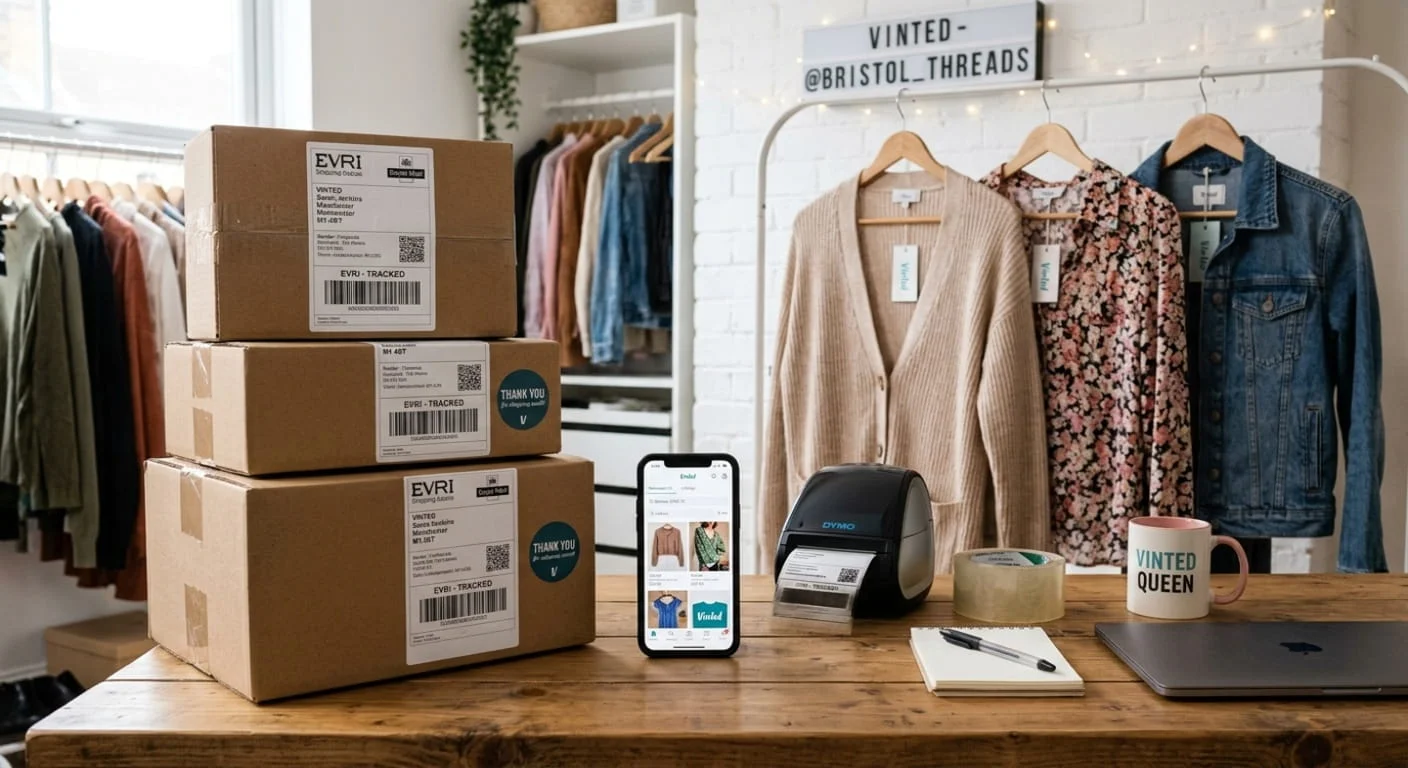
Starting a Vinted business in the UK can be a practical way to earn money by selling second-hand clothes, shoes and accessories. You can begin with unwanted items from your wardrobe or purchase suitable stock to resell for a profit. However, building a sustainable business requires more than uploading products; you need to understand buyer demand, pricing, product condition, shipping and UK tax rules. This guide explains how to start selling on Vinted, identify promising products, calculate profit and grow your reselling business while avoiding common mistakes.
What Is Vinted and How Does It Work?
Vinted is an online marketplace where members buy and sell pre-loved clothing and other permitted products. Sellers create listings with photographs, descriptions and prices, while buyers browse available items and place orders through the platform.
When a buyer purchases an item, Vinted provides the relevant order and shipping instructions. Depending on the available delivery options, the seller can use a platform-generated shipping label and the carrier selected by the buyer.
Vinted’s standard selling model allows sellers to list and sell items without a routine seller transaction fee. Buyers generally pay a Buyer Protection fee and shipping costs at checkout. Optional promotional services, where available, can have separate charges. Always check the current UK terms before making business decisions.
How to Start Selling on Vinted UK
Starting a Vinted business does not necessarily require a large investment. Follow these steps to establish your account, prepare products and manage your first orders.
1. Create Your Vinted Account
Register through Vinted’s official UK website or app and provide the information requested during registration. Complete any required verification and set up the payment arrangements available for your account.
Use accurate account information and familiarise yourself with the platform’s rules before listing products. If you plan to sell commercially rather than occasionally clear out personal belongings, check whether Vinted’s current UK rules require a professional seller account or impose additional obligations.
2. Choose Your First Products
Begin with clothes, shoes or accessories that you already own and no longer need. This approach helps you learn how listings, buyer messages, shipping and payments work without spending money on inventory.
Once you understand the process, research suitable second-hand stock from legitimate sources, such as charity shops, car boot sales and clearance sales. Before purchasing anything, compare its likely resale price with the total cost of acquiring and preparing it.
Avoid buying large quantities simply because an item appears fashionable. A product is only a sensible business purchase when there is realistic demand and enough potential profit.
3. Prepare Products for Sale
Inspect every item for stains, holes, missing buttons, broken zips, odours and other defects. Clean or wash items according to their care labels and make sure they are dry before photographing or packing them.
Check brand labels and product details carefully. Describe used items honestly, including visible wear and any repairs. Accurate descriptions help buyers make informed decisions and reduce disputes over products that differ from their listings.
4. Create Detailed Product Listings
A strong listing makes it easier for potential buyers to understand exactly what you are selling. Use clear photographs taken in good lighting, preferably against a simple background.
Include the following information where relevant:
- Product title: Identify the item, brand, type and other useful details.
- Description: Explain the material, colour, condition and any noticeable defects.
- Size and fit: State the labelled size and provide measurements when useful.
- Price: Compare similar listings and leave room for a reasonable profit.
- Photographs: Show the front, back, label, important details and any damage.
Use relevant search terms naturally in titles and descriptions. For example, a listing for a used wool coat could include its brand, size, colour, material and condition. Avoid misleading brand names or unrelated keywords that do not accurately describe the product.
5. Manage Orders and Deliveries
After receiving an order, follow the shipping instructions displayed in Vinted. Check the parcel requirements, use the specified carrier and dispatch the item within the deadline shown for that transaction.
Pack clothing securely to protect it from moisture and damage. Keep proof of postage when available and monitor the order status until the transaction is completed.
Respond politely to buyer questions and resolve genuine problems through the platform’s official process. Vinted’s Buyer Protection terms explain the circumstances in which a buyer may raise an issue, so review these rules before handling a dispute.
How to Make Money on Vinted UK
Making money on Vinted depends on choosing suitable products, purchasing them at the right price and selling them without allowing expenses to consume the margin. A Vinted side hustle UK sellers can build may start small, but consistent record-keeping becomes increasingly important as the number of sales grows.
Calculate Your Profit Before Buying Stock
Use this formula to estimate the profit from each sale:
Net profit = Selling price − Stock cost − Other business expenses
Other expenses may include cleaning materials, packaging, sourcing travel, storage, paid promotions and any applicable selling charges.
For example, suppose you purchase a jacket for £5 and sell it for £15. If you spend another £2 on sourcing travel and packaging, your estimated profit is £8.
| Item | Amount |
|---|---|
| Selling price | £15 |
| Purchase cost | £5 |
| Other expenses | £2 |
| Estimated profit | £8 |
This is an illustrative calculation, not a guaranteed return. It excludes any tax liability and assumes there are no additional costs.
Vinted’s standard selling model generally does not charge sellers a routine transaction fee, but you should still account for other expenses and any optional services you use.
Start With a Small Budget
Test demand before investing heavily in stock. You could start by listing items you already own, then use the results to decide which categories deserve further investment.
Record how much each product costs, its listing date, its sale price and the expenses associated with the transaction. This information helps you identify products that produce a reasonable return and avoid repeatedly purchasing slow-selling stock.
Do not measure performance through revenue alone. Selling £200 worth of clothing does not mean you earned £200 in profit.
Best Selling Items on Vinted UK
The best selling items on Vinted UK can change according to season, fashion trends, brand recognition, price and the condition of available stock. No product category is guaranteed to sell quickly.
Instead of relying on a fixed list of supposedly bestselling products, investigate current listings and compare similar items. Where reliable completed-sale information is available, use it to assess actual demand rather than assuming that listed products have already sold.
Clothing, Shoes and Accessories
These categories are worth testing because they allow sellers to start with ordinary second-hand products.
Branded clothing: Recognisable brands may attract buyers when the item, price and condition match their expectations. Verify authenticity and avoid products that may infringe trademarks.
Shoes and trainers: Check the soles, insoles, stitching and overall condition. Photograph wear clearly and provide the correct size information.
Coats and knitwear: Seasonal products can be worth testing before colder weather. Buying winter stock too late may leave less time to sell it at your target price.
Jeans and everyday clothing: Common wardrobe items may appeal to buyers looking for affordable replacements. Compare the size, fit, condition and prices of competing listings.
Accessories: Bags, belts and other permitted accessories can be useful additions to a small inventory. Check authenticity, functionality and the platform’s current product rules before listing them.
How to Research Product Demand
Before purchasing stock, search Vinted for similar products and compare their asking prices, condition and number of competing listings. Consider whether a product has enough demand to justify the money you would tie up in inventory.
For example, if similar jackets are listed for £12–£18, paying £14 to acquire one may leave too little room for expenses and negotiation. A cheaper purchase price could make the same item more attractive as a business opportunity.
Remember that asking prices do not prove that buyers will pay those amounts. Use conservative estimates and test a small number of products before expanding.
How to Price Your Vinted Products
Pricing is one of the most important parts of running a reselling business. If your prices are too high, buyers may choose competing listings. If they are too low, you may sell products without earning enough to cover your costs.
Simple Pricing Strategies
Use these methods to set realistic prices:
- Compare similar products: Check the brand, size, condition and asking prices of comparable items.
- Calculate your minimum price: Work out the lowest price you can accept without losing money.
- Allow for negotiation: Set a reasonable asking price that leaves some flexibility for offers.
- Review older listings: If an item attracts little interest, reconsider its price, photographs or description.
- Offer suitable bundles: Group related products when the combined price still provides a worthwhile margin.
For example, if a jacket costs £5 and you want to earn £7 after £2 in other expenses, your minimum target selling price is £14. This calculation assumes no additional costs or deductions.
Vinted vs Depop Selling Fees
Vinted and Depop offer different selling experiences, and their charges and account requirements can change. Before choosing a platform, compare the latest UK terms rather than relying on outdated fee information.
Vinted generally allows sellers to list and sell without a standard seller transaction fee. The buyer usually pays the Buyer Protection fee and shipping costs. Optional promotional services may cost extra.
Depop has its own fee arrangements, which may depend on the seller’s location, payment method and applicable service terms. Check the current UK seller fee information before calculating your expected earnings.
Which Platform Is Better for Sellers?
Vinted may suit sellers concentrating on everyday second-hand clothing, shoes and accessories. Its standard selling model can make it attractive to beginners who want to test a small inventory.
Depop may suit sellers targeting vintage fashion, distinctive outfits and trend-led clothing. The better choice depends on where your target buyers shop and which products you can source profitably.
Compare these factors before deciding:
- Seller fees and optional promotional costs.
- Product categories and the type of audience each platform attracts.
- Shipping options, dispatch requirements and buyer protection.
- Competition, achievable selling prices and expected demand.
- Account requirements and rules for commercial sellers.
You can test a few suitable products on the platform that best matches your inventory, provided you follow each platform’s current rules. Compare the actual results before committing more money to stock.
UK Government Tax Rules for Vinted Sellers
Understanding UK tax rules is essential when turning occasional sales into a business. The tax treatment depends on what you sell, why you bought the items and how much qualifying trading income you earn.
HM Revenue & Customs (HMRC) distinguishes between selling personal possessions and trading by buying or making goods for resale. These activities should not automatically be treated as the same type of income.
What HMRC Says About Online Selling
Selling personal belongings: If you occasionally sell unwanted clothes from your own wardrobe, you generally do not need to pay Income Tax simply because you received money from those sales. Special rules can apply to valuable individual possessions and Capital Gains Tax.
Buying goods to resell: If you regularly buy clothing with the intention of selling it for a profit, your activity is likely to count as trading. You may need to report the income to HMRC.
The £1,000 trading allowance: If your total gross trading income from relevant activities exceeds £1,000 during a tax year, you generally need to tell HMRC, subject to the applicable rules. This threshold relates to gross income before deducting expenses, not your net profit.
Business records: Keep records of sales, stock purchases, receipts and allowable expenses. Accurate records make it easier to calculate taxable profits and complete any required tax return.
The UK tax year runs from 6 April to 5 April. If you need to register for Self Assessment as a sole trader, the usual deadline is 5 October following the end of the relevant tax year, subject to your circumstances and HMRC’s rules.
Exceeding the £1,000 trading allowance does not automatically mean you owe Income Tax. The amount payable depends on your taxable profits, other income, available allowances and applicable tax rules. The trading allowance and allowable business expenses generally cannot both be claimed against the same trading income in full.
Digital platforms may also report seller information to HMRC under separate reporting rules. Platform reporting does not, by itself, mean that tax is due.
For the latest requirements, read the official GOV.UK guidance on selling through online platforms and the guidance on tax-free allowances for trading income.
Tips for Growing Your Vinted Business
Once you have tested your first listings, focus on improving the quality of your inventory, understanding buyer behaviour and controlling expenses. Expanding gradually is usually more sensible than purchasing large amounts of untested stock.
Build a Reliable Selling Routine
Take clear photographs: Use consistent lighting, a clean background and multiple angles. Show labels, important details and defects so buyers understand the item’s condition.
Write searchable descriptions: Include relevant product information, such as brand, size, colour, material and fit. Keep descriptions accurate and avoid repeating keywords unnecessarily.
Respond to buyers promptly: Answer reasonable questions clearly and politely. Good communication helps buyers understand the product before making a purchase.
Monitor your inventory: Track which products sell quickly and which remain listed for longer. Use this information to improve future sourcing decisions.
Reinvest carefully: Use part of your realised profit to purchase products with a realistic resale margin. Keep enough money available to cover routine expenses rather than reinvesting every pound.
Avoid Common Vinted Business Mistakes
New sellers can lose money by purchasing stock without researching demand, overlooking product defects or setting prices based only on competitors’ asking prices.
Avoid counterfeit goods, misleading brand descriptions and products prohibited by Vinted’s current policies. Do not assume that a popular brand guarantees a profitable sale.
Also, keep personal wardrobe clear-outs separate from business stock in your records. This makes it easier to understand the performance of your trading activity and identify any income that may need to be reported.
Frequently Asked Questions (FAQs)
1. Do I Need Money to Start a Vinted Business in the UK?
Not necessarily. You can begin by selling unwanted clothes and accessories you already own. If you later purchase stock for resale, start with a small budget and calculate the expected profit before buying.
2. Is Selling on Vinted Profitable in the UK?
It can be profitable, but earnings depend on purchase prices, demand, selling prices and other business expenses. Track the net profit from each sale rather than judging performance by total revenue.
3. What Are the Best Things to Sell on Vinted UK?
Second-hand clothing, shoes, trainers and accessories may be worth testing. Demand varies by season, brand, size and condition, so research comparable listings before investing in stock.
4. Does Vinted Charge Sellers Fees in the UK?
Vinted’s standard selling model generally does not charge sellers a routine transaction fee. Buyers usually pay a Buyer Protection fee and shipping costs, while optional promotional services may carry additional charges. Check the current UK terms for confirmation.
5. Do I Have to Pay Tax on Vinted Sales in the UK?
Occasional sales of personal belongings are generally treated differently from buying goods for resale. If your qualifying gross trading income exceeds £1,000 in a tax year, you generally need to check your reporting obligations with HMRC. Whether you owe tax depends on your circumstances.
6. Can I Buy Clothes Specifically to Resell on Vinted?
Buying clothes with the intention of reselling them for profit may count as trading. Check Vinted’s current account and commercial-selling requirements, keep records of stock purchases and sales, and follow the applicable tax rules.
7. Is Vinted Better Than Depop for a Small Business?
It depends on your inventory and target customers. Compare current fees, audience, shipping arrangements and platform rules, then test which option produces better results for your products.
Final Thoughts
Starting a Vinted business in the UK can be an accessible way to explore online reselling without investing in a large inventory from the beginning. However, sustainable results depend on choosing suitable products, setting realistic prices, managing orders and tracking every business expense.
Start by selling items you already own, research demand before purchasing stock and reinvest only when your results justify expansion. Most importantly, follow Vinted’s current selling rules and check HMRC guidance if you buy products specifically for resale. A small, well-managed operation with accurate records can provide a stronger foundation for growth than chasing sales volume without understanding profitability.







1 Comment. Leave new
[…] samples. Choose a specific niche, such as technology, personal finance, lifestyle, travel, or small business marketing, to make your services easier to […]