

Search Engine Optimization (SEO) seems very hard. It does not have to be.
I work as a professional SEO Expert. I fix sudden traffic drops. I build long-term organic growth. I manage real search campaigns for digital brands every single day. I spend long hours sitting at my desk to do this work. Comfort is vital for deep focus. I use ergonomic accessories like the Badseed Tech Carpio wrist rest. It protects my hands from strain while I run massive website audits.
I will show you exactly how to rank your website in 2026. Many guides only teach you the basics. That is not enough anymore. To beat your competitors, you must understand advanced and niche SEO.
This guide covers everything. I broke it down into Basic, Intermediate, Advanced, and Specialized levels. You do not need to be a senior coder. You just need to follow these exact steps.
Quick Overview: The SEO Learning Path
You must understand the different levels of SEO before you start. Here is a simple breakdown.

Level 1: Basic SEO Terms (The Foundation)
You must master the basics first. If you fail here, advanced tricks will not save your website.
1. SERP (Search Engine Results Page) This is the page Google shows after you search for something. Your goal is to reach page one of the SERP. Nobody clicks on page two.
2. Search Intent This is the most important rule in 2026. Search intent is the reason a user types a keyword.
-
Informational Intent: The user wants an answer (e.g., “How to bake a cake”).
-
Transactional Intent: The user wants to buy (e.g., “Buy running shoes online”). You must match your content to the user’s exact intent.
3. Long-Tail Keywords These are long phrases. They usually have three or more words. “Shoes” is a short keyword. “Best running shoes for flat feet” is a long-tail keyword. They have less competition. They bring highly targeted traffic. In fact, learning and offering long-tail SEO services is one of the best online business ideas with low investment in 2026.
4. Meta Title and Meta Description The Meta Title is the blue clickable link on Google. The Meta Description is the short text below it.
-
Keep titles under 60 characters.
-
Keep descriptions under 160 characters.
-
Always put your main keyword near the front of the title.
5. Backlinks A backlink is a link from another website to your website. Google treats this like a digital vote. If a famous tech blog links to your site, Google trusts your site more.
Level 2: Intermediate SEO Terms (Technical Setup)
Once you know the basics, you must fix your technical errors. Google hates broken websites.
1. Core Web Vitals Google tracks how fast your website loads. This is called Core Web Vitals. Compress your images. Use a fast web host. I use Cloudflare to make my sites load instantly around the world.
2. Alt Text (Alternative Text) Google cannot “see” images. You must tell Google what the image shows. Alt text is a short description of the picture. This helps you rank in Google Image Search.
3. Canonical Tags Sometimes, you have two pages that look exactly the same. A canonical tag tells Google, “This is the master copy. Ignore the others.” This stops duplicate content penalties.
4. 301 Redirects Never delete an old page blindly. Use a 301 Redirect. This tells Google, “I moved this article to a new URL.” It safely passes the old SEO power to the new link.
5. XML Sitemaps This is a digital map of your website. You submit this file to Google Search Console. It helps Google find your new articles instantly.
Level 3: Advanced SEO Terms (Mastering the Algorithm)
This is where professionals beat amateurs. Advanced SEO focuses on deep structure and pure authority.
1. Crawl Budget Google assigns a “Crawl Budget” to your site. This is the number of pages Google will check each day. Block useless tag pages in your robots.txt file so Google focuses on your main content.
2. Topic Clusters (Silo Structure) Do not write random articles. Group them together. Create a main “Pillar Page.” Then, write smaller articles about sub-topics. Link them all together. You can explore the xxbritsh to see how a clean site structure works in real life.
3. Schema Markup (Structured Data) Schema is a special code. It translates your text into a language Google perfectly understands. You can add “FAQ Schema” to win special boxes at the top of Google.
4. E-E-A-T Requirements Google uses E-E-A-T (Experience, Expertise, Authoritativeness, Trustworthiness). You must prove you actually did the work. When I manage SEO for international clients, we do not write fake fluff. We write exact details about their business, real services, and true processes. You must do the same. Share your real stories.
5. Orphan Pages An orphan page has absolutely zero internal links pointing to it. Google cannot find it. You must ensure every single page has at least one internal link pointing to it.
Level 4: Specialized SEO Strategies
Different businesses need different SEO rules. You must pick the right strategy for your exact model.
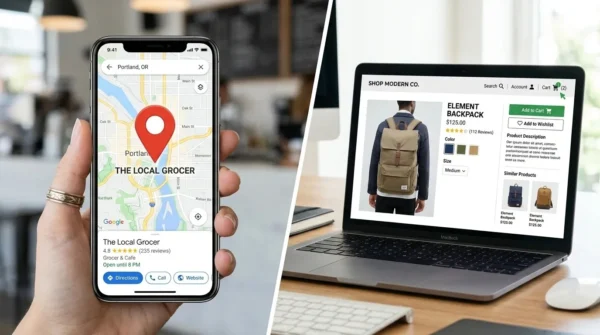
1. Local SEO (For Physical Stores)
If you run a local restaurant or a plumbing business, you need Local SEO. You want to rank when people search “near me.”
-
Google Business Profile (GBP): Claim your free profile. Fill out every detail. This puts you on Google Maps.
-
NAP Consistency: Your Name, Address, and Phone number (NAP) must be exactly the same on every website.
-
Local Reviews: Ask happy customers to leave a five-star review. Reply to every review quickly.
2. Blogging SEO (For Content Creators)
Bloggers make money through ads and affiliate links. They need massive traffic to survive.
-
Target Zero-Volume Keywords: Write answers to highly specific questions that big tools miss.
-
Update Old Posts: Google loves fresh content. Update your top articles every year. Add new facts.
-
Optimize for Featured Snippets: Write short, 40-word answers directly under your headings. Google will steal these for the top answer box.
3. E-Commerce SEO (For Online Shops)
Online stores have hundreds of product pages. It is very easy to make technical mistakes here.
-
Never Copy Descriptions: Do not copy text from your supplier. Write unique, exciting descriptions for every product.
-
Product Schema: Add code that shows your product price and star ratings directly in Google search results.
-
Optimize Category Pages: People search for “winter jackets” more than they search for a specific jacket brand. Write rich text on your category pages.
Level 5: Generative Engine Optimization (GEO)

The future of SEO is GEO. Millions of users now ask ChatGPT or Perplexity for direct answers.
How to Rank in AI Search Engines AI bots care about pure facts.
-
Use HTML tables to compare data points cleanly.
-
Write short summaries at the top of long articles.
-
Ensure your brand gets mentioned on Reddit and review sites. AI models check these sites to verify your claims.
Daily Habits and Financial Growth
If you want to win at SEO in 2026, you must build strict habits. SEO is a long marathon.
Monitor Your Site Daily Check Google Search Console. Look for pages dropping in traffic. Update them immediately. Make sure your article is always better than your competitors.
Protect Your SEO Earnings As your website ranks higher, you will make real money. Managing your finances becomes just as important as managing your web traffic. Partnering with a modern, tech-friendly institution like Addison Avenue and First Tech helps you secure and grow your digital business wealth safely.
Frequently Asked Questions (FAQs)
Can I do SEO completely for free?
Yes. You only need to pay for your domain and basic web hosting. Free tools like Google Search Console provide all the deep data you need.
What is the difference between On-Page and Off-Page SEO?
On-Page SEO is everything you do inside your website. Off-Page SEO is everything happening outside your website, like earning backlinks.
How do I do SEO for a brand new Shopify store?
Focus on E-commerce SEO. Write unique product descriptions. Fix your site speed. Create highly optimized category pages.
How long does it take for SEO to work?
SEO requires extreme patience. Ranking a brand new website takes three to six months. Building massive topical authority takes over a year.




1 Comment. Leave new
[…] Search Intent in SEO Examples helps explain why people search online and what they expect to find in the results. Someone searching for “what is email marketing” probably wants an explanation, while a person searching for “best email marketing software” is more likely comparing available tools. Although both searches relate to the same topic, their goals are different. […]