
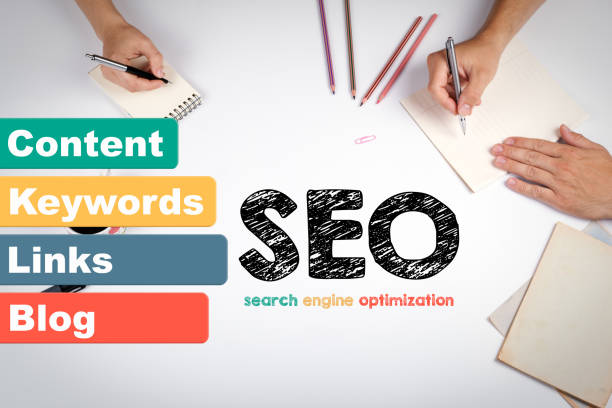
Search Intent in SEO Examples helps explain why people search online and what they expect to find in the results. Someone searching for “what is email marketing” probably wants an explanation, while a person searching for “best email marketing software” is more likely comparing available tools. Although both searches relate to the same topic, their goals are different.
Understanding these differences is essential for creating content that matches what people actually need. Search engines aim to provide useful results, so pages that address the purpose behind a query have a better chance of satisfying users and performing well in organic search.
Search intent also helps businesses choose suitable keywords, plan content, structure landing pages, and guide visitors toward the next step. Instead of focusing only on search volume, marketers can use intent to understand where a keyword fits within the customer journey.
In this guide, you will learn the main search intent types, see practical examples of keyword intent, and discover how to apply SEO search intent when creating and optimizing content.
What Is Search Intent in SEO?
Search intent is the reason behind a person’s search query. It describes what someone wants to learn, find, compare, or accomplish when they enter words into a search engine.
For example, a user searching for “how to clean a leather sofa” is looking for instructions. Someone searching for “leather sofa cleaning service near me” likely wants to hire a professional. Both queries concern sofa cleaning, but the content needed to satisfy each search is different.
This distinction matters because ranking a page is not only about including the right keyword. The page also needs to deliver the type of information or experience the searcher expects.
A detailed tutorial may be suitable for an informational query, while a service page with pricing details, reviews, and a booking option may better match a transactional or local service query.
Search intent is closely connected to keyword research. When analyzing keywords, marketers should consider the words people use, the likely goal behind the query, and the pages search engines already display. These clues help determine whether a topic needs a blog post, comparison article, product page, service page, or another format.
Search intent can also change as people move through the decision-making process. A person might begin by researching a problem, compare possible solutions, and then search for a specific provider or product.
Recognizing this progression helps businesses build content for different stages of the customer journey instead of trying to make every page serve the same purpose.
The Four Main Search Intent Types
Most SEO discussions group search intent into four primary categories: informational, navigational, commercial, and transactional. These categories help marketers understand what searchers want and select the most appropriate content format.
1. Informational Search Intent
Informational intent occurs when someone wants to learn something or find an answer to a question. The searcher may be researching a topic, solving a problem, or trying to understand a concept before making a decision.
Examples include:
- What is search engine optimization?
- How does keyword research work?
- Why is my website loading slowly?
- How to improve local SEO
Blog posts, tutorials, beginner’s guides, explanatory articles, and FAQ pages can work well for these queries. The content should answer the question clearly, explain relevant details, and give readers a practical next step when appropriate.
For example, a search for “how to improve local SEO” may be best served by a step-by-step guide covering Google Business Profile optimization, local keyword research, reviews, and location pages.
2. Navigational Search Intent
Navigational intent occurs when a person wants to reach a particular website, brand, platform, or webpage. They generally already know where they want to go.
Examples include:
- Google Search Console login
- Ahrefs website
- Facebook business settings
- OpenAI pricing page
Brand websites, login pages, product pages, and official resource pages are common matches for these queries.
Businesses can support navigational searches by maintaining clear page titles, a logical website structure, accessible navigation, and accurate brand information. If users search for a company’s specific service or pricing page, making that page easy to find can improve the experience.
However, navigational keywords are not always equally valuable to every website. A company generally has a stronger opportunity to rank for searches related to its own brand and resources than for another organization’s official login page.
3. Commercial Search Intent
Commercial intent describes searches made when people are researching options before making a purchase or choosing a service. They have a particular need but may not have decided which solution to select.
Examples include:
- Best SEO tools for small businesses
- Semrush vs. Ahrefs
- Best carpet cleaning companies in Dallas
- WordPress hosting reviews
Comparison articles, reviews, buying guides, product roundups, case studies, and service comparison pages can satisfy these queries.
For instance, someone searching for “best SEO tools for small businesses” may want to compare features, prices, usability, and limitations. A useful article should explain these differences rather than simply recommend one option without evidence.
Commercial searches are especially valuable for businesses that want to reach people closer to making a decision. The content should provide balanced information, clear comparisons, and relevant proof that helps readers evaluate their options.
4. Transactional Search Intent
Transactional intent occurs when someone is ready to take a specific action. That action may involve purchasing a product, booking a service, signing up for software, or completing a registration.
Examples include:
- Buy running shoes online
- Subscribe to an SEO tool
- Book carpet cleaning in Dallas
- Sign up for project management software
Product pages, service pages, booking pages, pricing pages, and registration forms can be suitable for transactional queries.
A user searching for “book carpet cleaning in Dallas” is unlikely to want a long introductory article about the history of carpet cleaning. They need clear service information, location details, pricing guidance if available, and an easy way to book.
The best page removes unnecessary obstacles and makes the intended action straightforward.
Search Intent in SEO Examples: Practical Keyword Analysis
Understanding definitions is useful, but the real benefit comes from applying them to actual keyword research. The following examples show how a keyword’s purpose can influence the page you create.
| Search query | Likely intent | Suitable content |
|---|---|---|
| What is technical SEO? | Informational | Educational blog post |
| How to fix broken links | Informational | Step-by-step tutorial |
| Ahrefs login | Navigational | Official login page |
| Semrush pricing | Commercial or transactional | Pricing page |
| Best website builders for freelancers | Commercial | Comparison article |
| Buy ergonomic office chair | Transactional | Product category or product page |
| Carpet cleaning near me | Local, often transactional | Local service page |
| Is WordPress or Webflow better? | Commercial | Comparison guide |
These classifications are useful starting points, not absolute rules. A query can have more than one possible intent, and search engines may show different page types for the same phrase.
For example, “Semrush pricing” may come from someone comparing software costs or someone ready to purchase a subscription. A pricing page can serve both needs by presenting plans clearly and explaining what each plan includes.
Similarly, “carpet cleaning near me” has a strong local component. Searchers may want to compare providers, check reviews, or book a service. A local service page should therefore provide useful service details and make contact information easy to access.
When conducting keyword research, review the current search results for your target query. Look at whether the top pages are guides, product pages, comparison articles, videos, or local business listings. The formats appearing repeatedly can offer clues about the dominant intent.
Do not copy competitors’ content simply because it ranks. Instead, identify what users need, determine what existing pages cover well, and create a page that provides accurate, useful information with a clear purpose.
How to Identify Keyword Intent
Keyword intent can be identified by combining the wording of a query with the search results and the context in which someone might use it. No single method is perfect, but several practical checks can make the process more reliable.
Start by examining the query itself. Words such as “what,” “why,” and “how” often suggest informational intent. Terms such as “best,” “review,” “comparison,” and “versus” commonly indicate commercial research. Words like “buy,” “book,” “subscribe,” and “order” often signal transactional intent.
Brand names combined with terms such as “login,” “website,” or “contact” may indicate navigational intent. However, modifiers are clues rather than strict rules. A keyword’s meaning depends on its full wording and context.
Next, examine the search engine results page. Review the top-ranking pages and identify the formats that appear most frequently. If most results are detailed tutorials, an informational article may be a better fit than a sales page. If product listings and retailer pages dominate, users may expect to browse products and compare prices.
SEO tools can also help. Platforms such as Google Search Console, Ahrefs, Semrush, and other keyword research tools provide data that supports keyword selection and performance analysis. Some tools also offer their own intent classifications. Treat these labels as helpful indicators and verify them against the actual search results.
Finally, consider your audience and business goals. A keyword may have strong search volume but attract visitors who are unlikely to need your offering. Another keyword with lower volume may attract people who are much closer to becoming customers.
A useful keyword research process therefore considers search intent, relevance, competition, search demand, and the value the query may bring to the business.
How to Optimize Content for SEO Search Intent
Once you understand a keyword’s likely intent, the next step is to create a page that meets the searcher’s expectations. The goal is not to force a keyword into every section. It is to make sure the page provides the right information in the right format.
Match the Content Format to the Query
Choose a page format that fits the searcher’s goal. Informational keywords usually need guides, tutorials, or explanatory articles. Commercial queries often need comparisons or reviews. Transactional keywords generally work better on product, pricing, service, or booking pages.
Answer the Main Question Early
Readers should not have to scroll through several paragraphs of background before finding the answer they came for. Introduce the topic clearly, answer the primary question near the beginning, and then expand with supporting information.
Use Relevant Supporting Keywords
Related terms can help cover the topic naturally. For a page about search intent, related phrases might include informational intent, commercial investigation, transactional keywords, and search engine results pages.
Use these phrases when they contribute meaning. Avoid repeating them merely to increase keyword frequency.
Provide a Clear Next Step
The next step should match the page’s purpose. An educational guide might link to a related tutorial or research resource. A comparison article could direct readers to detailed product reviews. A service page should make it easy to request a quote or book an appointment.
Review and Update Performance
After publishing, monitor impressions, clicks, rankings, and conversions where relevant. Google Search Console can help you see which queries lead people to your pages and whether the page attracts the intended audience.
If a page receives impressions but few clicks, review the title and description. If visitors arrive but do not engage or convert, consider whether the page fully satisfies the query and offers a useful next step.
Common Search Intent Mistakes to Avoid
One common mistake is choosing keywords based only on search volume. A high-volume phrase may attract a broad audience without bringing relevant visitors to the website. Intent and business relevance are just as important when deciding which keywords deserve attention.
Another mistake is targeting several different intents with one page. A long article that attempts to educate readers, compare every available product, and sell a service may become unfocused. Some overlap is natural, but each page should have a clear primary purpose.
Ignoring search results can also lead to poor decisions. Marketers sometimes create a blog post for a query where searchers mainly expect product pages or local listings. Even strong writing may struggle if the page format does not match the dominant intent.
Keyword stuffing is another issue. Repeating the same phrase excessively does not guarantee better rankings and can make the content harder to read. Related terms should support the explanation, not dominate it.
Finally, avoid treating search intent as permanent. User expectations can change, and search results can evolve as new products, trends, and needs emerge. Review important keywords periodically and update pages when the current results or audience expectations suggest a different approach.
FAQ’s:
What are the four types of search intent?
The four commonly recognized search intent types are informational, navigational, commercial, and transactional. Informational searches seek knowledge or answers. Navigational searches aim to reach a specific website or page.
Commercial searches involve researching and comparing options before a decision. Transactional searches indicate readiness to complete an action, such as buying a product or booking a service. These categories help marketers choose suitable content formats and match pages to what searchers expect to find.
Why is search intent important for SEO?
Search intent helps SEO professionals create content that satisfies the purpose behind a query. A page can contain the correct keyword and still perform poorly if it does not provide the information or experience users expect.
Matching intent can improve content relevance, user satisfaction, and the likelihood that visitors take an appropriate next step. It also supports better keyword targeting by helping businesses prioritize queries that align with their audience and objectives rather than focusing on search volume alone.
How do I find the search intent of a keyword?
Start by examining the wording of the keyword and looking for clues such as “how,” “best,” “review,” “buy,” or “login.” Then review the current search results to see whether guides, comparison articles, product pages, or local listings dominate.
SEO tools may provide additional intent classifications, but you should verify them against the results. Consider your audience’s likely goal as well, because some queries can serve multiple purposes depending on the context.
Can one keyword have more than one search intent?
Yes. Some keywords have mixed intent because people use the same phrase for different reasons. For example, someone searching for “website hosting” might want to understand how hosting works, compare providers, or purchase a hosting plan.
Search engines may respond by showing several types of pages. When a keyword has mixed intent, examine the dominant result formats and decide which audience goal best matches your page. You may also need separate pages to address distinct needs more effectively.
Final Thoughts:
Search Intent in SEO Examples shows why successful keyword research requires more than finding phrases with high search volume. Every search represents a goal, whether the person wants an answer, needs to reach a specific website, is comparing possible solutions, or is ready to take action.
By understanding the main search intent types, marketers can make better decisions about which keywords to target and what kind of content to create. Informational queries often call for helpful guides, commercial searches benefit from meaningful comparisons, navigational queries need clear access to the intended destination, and transactional searches require pages that make the next step simple.
The most practical approach is to examine the keyword, review the current search results, and consider what your audience is likely trying to accomplish. Then create content that meets that need accurately and clearly. Supporting keywords should strengthen the explanation rather than distract from it.
Search intent should also remain part of ongoing SEO analysis. Monitor the queries bringing visitors to your website, evaluate whether your pages match those searches, and make improvements when user expectations change.
Ultimately, effective SEO is not just about helping search engines understand a page. It is about helping the right people find information or services that genuinely meet their needs. When keyword intent and content work together, your website has a stronger foundation for relevant traffic, a better user experience, and meaningful business results.









1 Comment. Leave new
[…] usability, and the overall usefulness of a website. Improving these areas can help businesses increase organic traffic and build a more consistent source of visitors over […]