

How to Do Business at Home and Dominate Your Niche

A confident entrepreneur working productively in a modern, sunlit home office environment.

Tired of the rigid 9-to-5 grind? Weary of office politics, long commutes, and spending your energy building someone else’s dream? Learning how to do business at home gives you professional freedom, flexibility, and absolute control over your career, all without the staggering overhead costs of a traditional brick-and-mortar office.

But turning your living room into a corporate headquarters is more than just working in your pajamas. While a home-based enterprise can be incredibly lucrative, it brings unique operational hurdles, compliance traps, and self-discipline challenges that catch unprepared founders off guard.

To win against high-authority websites and corporate giants, you need an actionable execution strategy. This comprehensive manual breaks down the logistics, financial structures, and marketing frameworks required to transform your skills into a thriving home enterprise.

The Reality Check: Is Learning How to Do Business at Home Right for You?

Before investing your capital and time, you must understand the operational landscape. According to data from the US Small Business Administration, small businesses account for approximately 99.9% of all firms, with a massive percentage operated directly out of residential properties. The viability of this model is proven, but success depends on managing specific lifestyle and structural shifts.

Evaluating the Main Benefits

  • Drastic Cost Reductions: By avoiding commercial rent, corporate utility rates, and daily commuting expenses, you retain more working capital. This saved revenue can be directly funneled into product development, software tools, or paid advertising.
  • Absolute Autonomy: You choose your working hours, select your clients, and establish your operational workflows. Data from small business happiness metrics shows that over half of independent founders rank schedule flexibility as their top source of professional fulfillment.
  • Low-Risk Testing Environments: Operating from a residential base allows you to test your value proposition, experiment with service offerings, and pivot your strategy without the looming pressure of a commercial lease.

Identifying the True Challenges

  • The Discipline Gap: Without a manager looking over your shoulder, domestic distractions can easily derail your focus. Successful home founders must treat their working hours with the same reverence as a corporate role.
  • The Blurring of Boundaries: When your living room is your office, it becomes difficult to disconnect. Overworking and burnout are common pitfalls, making strict time-blocking and spatial boundaries essential.

Products vs. Services: Choosing Your Model for How to Do Business at Home

Your foundational choice rests on whether you will build an enterprise centered around physical goods or specialized expertise. Exploring the most profitable online business ideas will dictate your upfront capital requirements, daily logistics, and long-term scaling potential.

Tired of the rigid 9-to-5 grind? Weary of office politics, long commutes, and spending your energy building someone else’s dream? Learning how to do business at home gives you professional freedom, flexibility, and absolute control over your career, all without the staggering overhead costs of a traditional brick-and-mortar office. But turning your living room into a corporate headquarters is more than just working in your pajamas. While a home-based enterprise can be incredibly lucrative, it brings unique operational hurdles, compliance traps, and self-discipline challenges that catch unprepared founders off guard. To win against high-authority websites and corporate giants, you need an actionable execution strategy. This comprehensive manual breaks down the logistics, financial structures, and marketing frameworks required to transform your skills into a thriving home enterprise. 1. The Reality Check: Is Learning How to Do Business at Home Right for You? Before investing your capital and time, you must understand the operational landscape. According to data from the US Small Business Administration, small businesses account for approximately 99.9% of all firms, with a massive percentage operated directly out of residential properties. The viability of this model is proven, but success depends on managing specific lifestyle and structural shifts. Evaluating the Main Benefits Drastic Cost Reductions: By avoiding commercial rent, corporate utility rates, and daily commuting expenses, you retain more working capital. This saved revenue can be directly funneled into product development, software tools, or paid advertising. Absolute Autonomy: You choose your working hours, select your clients, and establish your operational workflows. Data from small business happiness metrics shows that over half of independent founders rank schedule flexibility as their top source of professional fulfillment. Low-Risk Testing Environments: Operating from a residential base allows you to test your value proposition, experiment with service offerings, and pivot your strategy without the looming pressure of a commercial lease. Identifying the True Challenges The Discipline Gap: Without a manager looking over your shoulder, domestic distractions can easily derail your focus. Successful home founders must treat their working hours with the same reverence as a corporate role. The Blurring of Boundaries: When your living room is your office, it becomes difficult to disconnect. Overworking and burnout are common pitfalls, making strict time-blocking and spatial boundaries essential. 2. Products vs. Services: Choosing Your Model for How to Do Business at Home Your foundational choice rests on whether you will build an enterprise centered around physical goods or specialized expertise. This decision dictates your upfront capital requirements, daily logistics, and long-term scaling potential. The Service-Based Pathway (Low Capital, High Margin) A service business sells your time, skills, and specialized knowledge. This is the fastest, lowest-cost method for launching a home enterprise because there is no manufacturing line to fund or warehouse storage to secure. Digital Marketing and SEO Consulting: Helping corporate brands optimize their web properties, manage paid media campaigns, and capture organic traffic. This requires nothing more than a computer, an internet connection, and high-level analytical skills. Freelance Content Creation and Copywriting: Developing editorial assets, technical manuals, whitepapers, or conversion-focused sales pages for brands across various industries. Margins are incredibly high because your core resource is your own creativity and technical writing capability. Virtual Bookkeeping and Accounting: Managing quarterly ledgers, handling payroll reconciliation, and preparing tax documentation for small businesses remotely. This model relies heavily on building long-term retainer clients who provide steady monthly cash flow. The Product-Based Pathway (High Capital, Scalable Volume) A product business involves manufacturing, sourcing, or curating physical goods. While it demands a higher initial financial layout, it scales efficiently because your revenue is not bound to your billable hours. Drop-shipping Operations: Acting as an e-commerce storefront where orders are routed directly to a third-party manufacturer who packs and ships the item to the buyer. You never touch physical inventory, turning your home business into a digital logistics hub. Subscription Box Curation: Bundling niche items (such as artisanal foods, specialized tools, or beauty products) into recurring monthly packages for a dedicated subscriber base. This model rewards predictable, recurring revenue streams. Bespoke Manufacturing: Creating high-quality handcrafted goods ,ranging from specialized leatherwork to custom wood designs and leveraging digital marketplaces to reach global consumers. This is ideal for artisans who already possess the specialized tools required for production. 3. The Legal Structures Required for How to Do Business at Home Safely Skipping the legal legwork is one of the most dangerous mistakes an entrepreneur can make. To operate like a true professional and protect your personal assets, you must establish a compliant corporate foundation from day one. Deciding on Your Entity: Sole Proprietorship vs. LLC Choosing your business structure alters your tax liabilities, paperwork requirements, and personal risk profile. Operational Feature Sole Proprietorship Limited Liability Company (LLC) Asset Protection None. Personal assets (home, savings) are at risk if sued. High. Creates a legal wall separating personal and business assets. Setup Complexity Automatic; minimal paperwork and low initial fees. Requires filing Articles of Organization and paying state fees. Tax Flexibility Standard pass-through taxation on your personal return. Pass-through by default, but can elect S-Corp tax status later. Credibility Factor Low. Seen as an informal freelancer by corporate clients. High. Signals a professional, legitimate enterprise to banks and partners. Securing an EIN and Corporate Banking Never run business transactions through your personal checking account. Mixing funds can dismantle your LLC's asset protection (a vulnerability known in legal terms as "piercing the corporate veil"). Apply for an EIN: Visit the official IRS portal and secure an Employer Identification Number. It is entirely free and takes only a few minutes. This number acts as a social security number for your business. Open a Business Checking Account: Present your LLC approval documents and EIN to your financial institution. Use this account exclusively for corporate revenues, software subscriptions, and operational expenses. Residential Zoning Regulations and Permits Depending on your geographic location, your local county or municipality will have specific zoning laws governing residential enterprises. Traffic and Shipping Limits: Residential zoning laws often prohibit high volumes of commercial courier trucks or regular, in-person client visits that disrupt neighborhood parking. Cottage Food Laws: If your home enterprise involves baking or producing food items, you must secure specialized health department permits, modify your kitchen facilities, or use a certified commissary kitchen. 4. Maximizing Expense Deductions: How to Do Business at Home and Save on Taxes One of the greatest financial benefits of establishing a residential enterprise is the ability to write off expenses through the home office deduction. Doing this properly saves thousands of dollars annually while keeping your audit risk low. Navigating the Strict IRS Requirements To qualify for a home office tax deduction, your workspace must pass two primary tests: The Regular and Exclusive Use Test: You must use a specific area of your home solely for conducting business. A dedicated spare bedroom or a clearly demarcated corner of a studio apartment qualifies. Your kitchen table, which is also used for family dinners, does not. The Principal Place of Business Test: This space must be the primary location where you manage administrative tasks, meet virtually with clients, or provide your services. Calculating Your Write-Offs There are two ways to calculate this deduction when learning how to do business at home: The Simplified Method: You claim a standard deduction of five dollars per square foot of your dedicated workspace, up to a maximum of three hundred square feet, giving you a straightforward fifteen hundred dollar total deduction. The Actual Expense Method: You calculate the precise percentage of your home dedicated to your enterprise. For instance, if your workspace takes up ten percent of your home's total square footage, you can write off ten percent of your rent or mortgage interest, electricity, heating, internet, and home insurance bills. This method requires meticulous record-keeping but often results in a significantly higher tax saving. 5. Workspace Setup: Environmental Design for How to Do Business at Home Productively Your environment directly dictates your productivity. Working from your couch or bed dismantles your focus, harms your posture, and makes it incredibly difficult to mentally log off at the end of the workday. Designing the Physical Infrastructure Ergonomic Alignment: Invest in a high-grade office chair with proper lumbar support and an adjustable desk. Your monitor should sit at eye level to prevent neck strain during extended deep-work sessions. Dedicated Lighting: Position your desk near natural light sources to elevate mood and energy levels, and integrate diffuse LED task lighting to minimize eye fatigue during evening hours. Acoustic Isolation: If you share your living space with family members, roommates, or pets, employ physical dividers, noise-canceling headsets, and white noise machines to maintain an optimal environment for client calls. Establishing the Psychological Boundary When your home is your workplace, your brain can easily lose track of when to produce and when to rest. The Physical Transition: When you step into your dedicated office area, your brain should recognize that it is time to perform. When you step out, work stops entirely. Enforcing Strict Routines: Start your day at a fixed hour, get dressed in professional casual attire, and avoid checking personal social feeds or handling domestic chores during designated business hours. 6. Your Minimum Viable Marketing Plan: How to Do Business at Home and Secure Client #1 You can build the most beautiful website and file the perfect legal paperwork, but without a proactive customer acquisition strategy, your home enterprise will fail. You must build an organic, highly repeatable marketing engine. Step 1: Deploy a Lightweight, Professional Web Property Do not spend months or thousands of dollars perfecting a website. Use streamlined builders like Squarespace for service-based models or Shopify for product-based models. Ensure your site clearly details your unique value proposition, lists your core offerings, and features an unmissable, frictionless contact form. Step 2: Avoid Passive Content; Run Targeted Outreach Waiting for clients to find your new blog takes too long. Instead, use a direct, high-value outreach strategy to land your first few accounts. Pinpoint Targets: Find twenty businesses that fit your ideal client profile on platforms like LinkedIn or local business directories. Isolate Gaps: Analyze their public-facing strategies. Find broken links on their website, highlight slow page-load speeds, or spot gaps in their organic search strategy. Deliver Free Value: Send a quick, friendly video showing them exactly how to fix the issue. Do not sell aggressively; simply demonstrate your expertise. End with a simple call to action: "If you want me to handle this implementation for you, let's hop on a brief chat." Your First Action Steps Success comes down to taking consistent, calculated action. Do not let planning paralysis keep you from building momentum. Isolate Your Niche: Decide today whether a service-based model or a product-based model aligns best with your existing skill set and available capital. Claim Your Workspace: Clear out a specific, dedicated area in your home to serve as your official operational headquarters. Draft Your First Offer: Write down a clear explanation of the exact problem you solve, who you solve it for, and the baseline price for your solution. Final Verdict: Start Your Journey Today Learning how to do business at home is your ultimate ticket to professional freedom and financial control in 2026. By setting up a solid legal structure, optimizing your workspace, and running a targeted outreach strategy, you eliminate the risks that hold most beginners back. The corporate grind builds someone else's dream, but a home enterprise rewards your own drive and efficiency. Stop overthinking and start building. Pick your niche, claim your desk, launch your first pitch, and transform your living room into a wealth-generating engine today. Frequently Asked Questions 1. What are the best home-based business ideas for beginners? The most profitable home-based business ideas are service-oriented models, such as SEO consulting, freelance writing, or virtual assistance. These require virtually zero upfront capital, meaning you only need a laptop and a stable internet connection to launch your remote empire. 2. When looking at a sole proprietorship vs. LLC, which is better for a home setup? An LLC is almost always superior. While a sole proprietorship requires less paperwork initially, it offers zero asset protection. An LLC creates a secure legal wall that shields your personal savings, home, and property if your business ever faces legal disputes. 3. Do small business owners working from home have to pay full commercial taxes? No. In fact, small business owners operating from a residential base can significantly lower their tax liability by claiming the home office deduction. This allows you to write off a percentage of your rent, utilities, and internet bills based on your dedicated workspace area. 4. How can I maintain a healthy work-life balance when my office is at home? Achieving a sustainable work-life balance requires strict psychological boundaries. You must establish set working hours, dress in professional-casual attire, and physically leave your dedicated workspace when the workday ends to prevent burnout. 5. What is the fastest digital marketing strategy to land my first client? Skip passive blogging at the start. The fastest digital marketing strategy for a new home setup is direct, high-value outreach. Identify twenty ideal targets, audit a minor flaw in their current operations, and send them a short, personalized video showing them exactly how to fix it for free. 6. What are the average startup costs to build an online business from home? If you launch a service business, your initial startup costs can be well under one hundred dollars, covering basic domain registration and software tools. For product-based models like e-commerce, you may need a few hundred dollars to fund initial inventory or shop platforms. 7. Why should I open a separate business bank account immediately? Opening a dedicated business bank account prevents the mixing of personal and business funds. This is a critical requirement to maintain the legal liability protection of your LLC. It also makes your tracking incredibly simple when tax season arrives. 8. How do I define my target audience without spending money on market research? You can identify your target audience for free by analyzing your competitors' client lists on LinkedIn or business directories. Look at who is actively buying from them, identify small gaps in their offerings, and tailor your pitch to solve those specific problems. 9. Can I run a physical product online business from home without storage space? Yes, by utilizing the drop-shipping model. This framework allows you to act as an online storefront where consumer orders are automatically routed to a third-party manufacturer who handles packaging and shipping, keeping your home completely inventory-free. 10. What is the biggest trap to avoid when starting an entrepreneurial journey at home? The biggest pitfall at the start of any entrepreneurial journey is planning paralysis. Spending months trying to build a flawless website or writing endless business plans will stall your progress. Focus instead on setting up your legal entity and pitching to your first potential clients immediately. .

The Service-Based Pathway (Low Capital, High Margin)

A service business sells your time, skills, and specialized knowledge. This is the fastest, lowest-cost method for launching a home enterprise because there is no manufacturing line to fund or warehouse storage to secure.

  • Digital Marketing and SEO Consulting: Helping corporate brands optimize their web properties, manage paid media campaigns, and capture organic traffic. This requires nothing more than a computer, an internet connection, and high-level analytical skills.
  • Freelance Content Creation and Copywriting: Developing editorial assets, technical manuals, whitepapers, or conversion-focused sales pages for brands across various industries. Margins are incredibly high because your core resource is your own creativity and technical writing capability.
  • Virtual Bookkeeping and Accounting: Managing quarterly ledgers, handling payroll reconciliation, and preparing tax documentation for small businesses remotely. This model relies heavily on building long-term retainer clients who provide steady monthly cash flow.

The Product-Based Pathway (High Capital, Scalable Volume)

A product business involves manufacturing, sourcing, or curating physical goods. While it demands a higher initial financial layout, it scales efficiently because your revenue is not bound to your billable hours.

  • Drop-shipping Operations: Acting as an e-commerce storefront where orders are routed directly to a third-party manufacturer who packs and ships the item to the buyer. You never touch physical inventory, turning your home business into a digital logistics hub.
  • Subscription Box Curation: Bundling niche items (such as artisanal foods, specialized tools, or beauty products) into recurring monthly packages for a dedicated subscriber base. This model rewards predictable, recurring revenue streams.
  • Bespoke Manufacturing: Creating high-quality handcrafted goods ,ranging from specialized leatherwork to custom wood designs and leveraging digital marketplaces to reach global consumers. This is ideal for artisans who already possess the specialized tools required for production.

The Legal Structures Required for How to Do Business at Home Safely
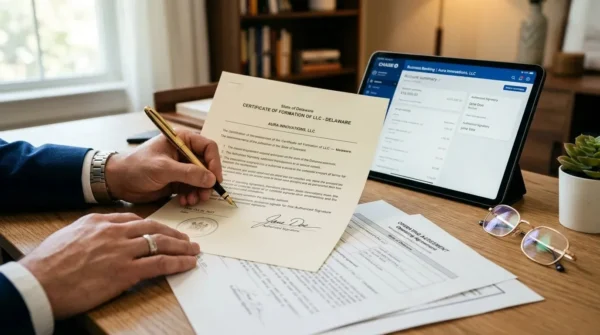
An entrepreneur reviewing LLC business registration and corporate banking documents at home.

Skipping the legal legwork is one of the most dangerous mistakes an entrepreneur can make. To operate like a true professional and protect your personal assets, you must establish a compliant corporate foundation from day one.

Deciding on Your Entity: Sole Proprietorship vs. LLC

Choosing your business structure alters your tax liabilities, paperwork requirements, and personal risk profile.

Operational Feature Sole Proprietorship Limited Liability Company (LLC)
Asset Protection None. Personal assets (home, savings) are at risk if sued. High. Creates a legal wall separating personal and business assets.
Setup Complexity Automatic; minimal paperwork and low initial fees. Requires filing Articles of Organization and paying state fees.
Tax Flexibility Standard pass-through taxation on your personal return. Pass-through by default, but can elect S-Corp tax status later.
Credibility Factor Low. Seen as an informal freelancer by corporate clients. High. Signals a professional, legitimate enterprise to banks and partners.

Securing an EIN and Corporate Banking

Never run business transactions through your personal checking account. Mixing funds can dismantle your LLC’s asset protection, so securing proper financial allocation through a corporate account is strictly required.

  1. Apply for an EIN: Visit the official IRS portal and secure an Employer Identification Number. It is entirely free and takes only a few minutes. This number acts as a social security number for your business.
  2. Open a Business Checking Account: Present your LLC approval documents and EIN to your financial institution. Use this account exclusively for corporate revenues, software subscriptions, and operational expenses.

Residential Zoning Regulations and Permits

Depending on your geographic location, your local county or municipality will have specific zoning laws governing residential enterprises.

  • Traffic and Shipping Limits: Residential zoning laws often prohibit high volumes of commercial courier trucks or regular, in-person client visits that disrupt neighborhood parking.
  • Cottage Food Laws: If your home enterprise involves baking or producing food items, you must secure specialized health department permits, modify your kitchen facilities, or use a certified commissary kitchen.

Maximizing Expense Deductions: How to Do Business at Home and Save on Taxes

One of the greatest financial benefits of establishing a residential enterprise is the ability to write off expenses through the home office deduction. Doing this properly saves thousands of dollars annually while keeping your audit risk low.

Navigating the Strict IRS Requirements

To qualify for a home office tax deduction, your workspace must pass two primary tests:

  • The Regular and Exclusive Use Test: You must use a specific area of your home solely for conducting business. A dedicated spare bedroom or a clearly demarcated corner of a studio apartment qualifies. Your kitchen table, which is also used for family dinners, does not.
  • The Principal Place of Business Test: This space must be the primary location where you manage administrative tasks, meet virtually with clients, or provide your services.

Calculating Your Write-Offs

There are two ways to calculate this deduction when learning how to do business at home:

  • The Simplified Method: You claim a standard deduction of five dollars per square foot of your dedicated workspace, up to a maximum of three hundred square feet, giving you a straightforward fifteen hundred dollar total deduction.
  • The Actual Expense Method: You calculate the precise percentage of your home dedicated to your enterprise. For instance, if your workspace takes up ten percent of your home’s total square footage, you can write off ten percent of your rent or mortgage interest, electricity, heating, internet, and home insurance bills. This method requires meticulous record-keeping but often results in a significantly higher tax saving.

Workspace Setup: Environmental Design for How to Do Business at Home Productively
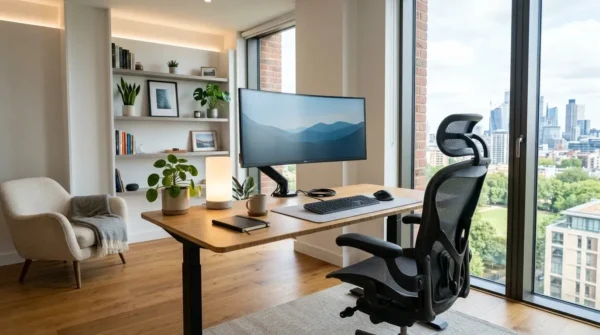
A perfectly designed ergonomic home office featuring an adjustable standing desk and proper lighting.

Your environment directly dictates your productivity. Working from your couch or bed dismantles your focus, harms your posture, and makes it incredibly difficult to mentally log off at the end of the workday.

Designing the Physical Infrastructure

  • Ergonomic Alignment: Invest in a high-grade office chair with proper lumbar support and an adjustable desk. Your monitor should sit at eye level to prevent neck strain during extended deep-work sessions.
  • Dedicated Lighting: Position your desk near natural light sources to elevate mood and energy levels, and integrate diffuse LED task lighting to minimize eye fatigue during evening hours.
  • Acoustic Isolation: If you share your living space with family members, roommates, or pets, employ physical dividers, noise-canceling headsets, and white noise machines to maintain an optimal environment for client calls.

Establishing the Psychological Boundary

When your home is your workplace, your brain can easily lose track of when to produce and when to rest.

  • The Physical Transition: When you step into your dedicated office area, your brain should recognize that it is time to perform. When you step out, work stops entirely.
  • Enforcing Strict Routines: Start your day at a fixed hour, get dressed in professional casual attire, and avoid checking personal social feeds or handling domestic chores during designated business hours.

Your Minimum Viable Marketing Plan: How to Do Business at Home and Secure Client #1

You can build the most beautiful website and file the perfect legal paperwork, but without a proactive customer acquisition strategy, your home enterprise will fail. You must build an organic, highly repeatable marketing engine.

Step 1: Deploy a Lightweight, Professional Web Property

Do not spend months or thousands of dollars perfecting a website. Use streamlined builders like Squarespace for service-based models or Shopify for product-based models. Ensure your site clearly details your unique value proposition, lists your core offerings, and features an unmissable, frictionless contact form.

Step 2: Avoid Passive Content; Run Targeted Outreach

Waiting for clients to find your new blog takes too long. Instead, use a direct, high-value outreach strategy to land your first few accounts.

  • Pinpoint Targets: Find twenty businesses that fit your ideal client profile on platforms like LinkedIn or local business directories.
  • Isolate Gaps: Analyze their public-facing strategies. Find broken links on their website, highlight slow page-load speeds, or spot gaps in their organic search strategy.
  • Deliver Free Value: Send a quick, friendly video showing them exactly how to fix the issue. Do not sell aggressively; simply demonstrate your expertise. End with a simple call to action: “If you want me to handle this implementation for you, let’s hop on a brief chat.”

Your First Action Steps

Success comes down to taking consistent, calculated action. Do not let planning paralysis keep you from building momentum.

  1. Isolate Your Niche: Decide today whether a service-based model or a product-based model aligns best with your existing skill set and available capital.
  2. Claim Your Workspace: Clear out a specific, dedicated area in your home to serve as your official operational headquarters.
  3. Draft Your First Offer: Write down a clear explanation of the exact problem you solve, who you solve it for, and the baseline price for your solution.

Final Verdict: Start Your Journey Today

Learning how to do business at home is your ultimate ticket to professional freedom and financial control in 2026. By setting up a solid legal structure, optimizing your workspace, and running a targeted outreach strategy, you eliminate the risks that hold most beginners back.

The corporate grind builds someone else’s dream, but a home enterprise rewards your own drive and efficiency. Stop overthinking and start building. Pick your niche, claim your desk, launch your first pitch, and transform your living room into a wealth-generating engine today.

Disclaimer: This entrepreneurship and home business guide is provided by XXBritsh for educational purposes. Always consult with a certified CPA or legal professional regarding your specific tax and LLC filings.”

Frequently Asked Questions 

What are the best home-based business ideas for beginners?

The most profitable home-based business ideas are service-oriented models, such as SEO consulting, freelance writing, or virtual assistance. These require virtually zero upfront capital, meaning you only need a laptop and a stable internet connection to launch your remote empire.

When looking at a sole proprietorship vs. LLC, which is better for a home setup?

An LLC is almost always superior. While a sole proprietorship requires less paperwork initially, it offers zero asset protection. An LLC creates a secure legal wall that shields your personal savings, home, and property if your business ever faces legal disputes.

Do small business owners working from home have to pay full commercial taxes?

No. In fact, small business owners operating from a residential base can significantly lower their tax liability by claiming the home office deduction. This allows you to write off a percentage of your rent, utilities, and internet bills based on your dedicated workspace area.

How can I maintain a healthy work-life balance when my office is at home?

Achieving a sustainable work-life balance requires strict psychological boundaries. You must establish set working hours, dress in professional-casual attire, and physically leave your dedicated workspace when the workday ends to prevent burnout.

What is the fastest digital marketing strategy to land my first client?

Skip passive blogging at the start. The fastest digital marketing strategy for a new home setup is direct, high-value outreach. Identify twenty ideal targets, audit a minor flaw in their current operations, and send them a short, personalized video showing them exactly how to fix it for free.

What are the average startup costs to build an online business from home?

If you launch a service business, your initial startup costs can be well under one hundred dollars, covering basic domain registration and software tools. For product-based models like e-commerce, you may need a few hundred dollars to fund initial inventory or shop platforms.

Why should I open a separate business bank account immediately?

Opening a dedicated business bank account prevents the mixing of personal and business funds. This is a critical requirement to maintain the legal liability protection of your LLC. It also makes your tracking incredibly simple when tax season arrives.

How do I define my target audience without spending money on market research?

You can identify your target audience for free by analyzing your competitors’ client lists on LinkedIn or business directories. Look at who is actively buying from them, identify small gaps in their offerings, and tailor your pitch to solve those specific problems.

Can I run a physical product online business from home without storage space?

Yes, by utilizing the drop-shipping model. This framework allows you to act as an online storefront where consumer orders are automatically routed to a third-party manufacturer who handles packaging and shipping, keeping your home completely inventory-free.

What is the biggest trap to avoid when starting an entrepreneurial journey at home?

The biggest pitfall at the start of any entrepreneurial journey is planning paralysis. Spending months trying to build a flawless website or writing endless business plans will stall your progress. Focus instead on setting up your legal entity and pitching to your first potential clients immediately.

.

Leave a Reply

Your email address will not be published. Required fields are marked *

Fill out this field
Fill out this field
Please enter a valid email address.
You need to agree with the terms to proceed

Related Posts